

Last Updated: October 26, 2026
Quick Summary
Durable athletic shirts for men combine recycled polyester (75-88%) with elastane (12-25%), flatlock seam construction, and fabric weight between 6.5-7.5 oz/yd² to withstand repeated washing and intense workouts. Research shows that price alone doesn't predict durability; fabric quality and seam construction matter most, with proper care extending a shirt's lifespan to 200+ workouts over 4-4.5 years.
- Recycled polyester blends with elastane resist degradation better than virgin polyester under sweat and UV exposure
- Flatlock seams resist tearing better than traditional seams, which start separating after 100 washes
- Rinse shirts immediately after workouts and wash in cold water to prevent permanent damage from sweat, salt, and chlorine
- Fabric weight of 6.7-7.0 oz/yd² balances durability with breathability for optimal performance
- Avoid fabric softeners and dryer sheets, which coat fibers and reduce moisture-wicking performance
Table of Contents
- What Makes Durable Athletic Shirts for Men Stand Out
- Best Material for Athletic Shirts: Recycled Polyester and Stretch Blends
- Moisture-Wicking Shirts for Men: Sweat Management That Lasts
- Breathability and Temperature Control in Workout Shirts
- Long-Lasting Gym Shirts: Care Tips and Durability Comparison
- Finding Your Fit: Short-Sleeve vs Long-Sleeve Options
- Frequently Asked Questions
What Makes Durable Athletic Shirts for Men Stand Out
Durability in athletic shirts isn't just about surviving a few gym sessions. It's about fabric choice, construction quality, and how well a shirt handles repeated washing and intense workouts. At Mr. Shithead, we've built our entire collection around this principle: authentic gear that actually lasts, not novelty apparel that falls apart after a month.
The real difference between a shirt that lasts three months and one that lasts three years comes down to two factors: material composition and seam construction. Most athletic shirts rely on virgin polyester, which breaks down faster under sweat and UV exposure. Recycled polyester blends with elastane create a more resilient fabric that stretches and recovers without degrading. Research from the University of Leeds on T-shirt durability found that price alone doesn't predict how long a shirt will last, six of the ten best-performing athletic shirts cost less than £15.
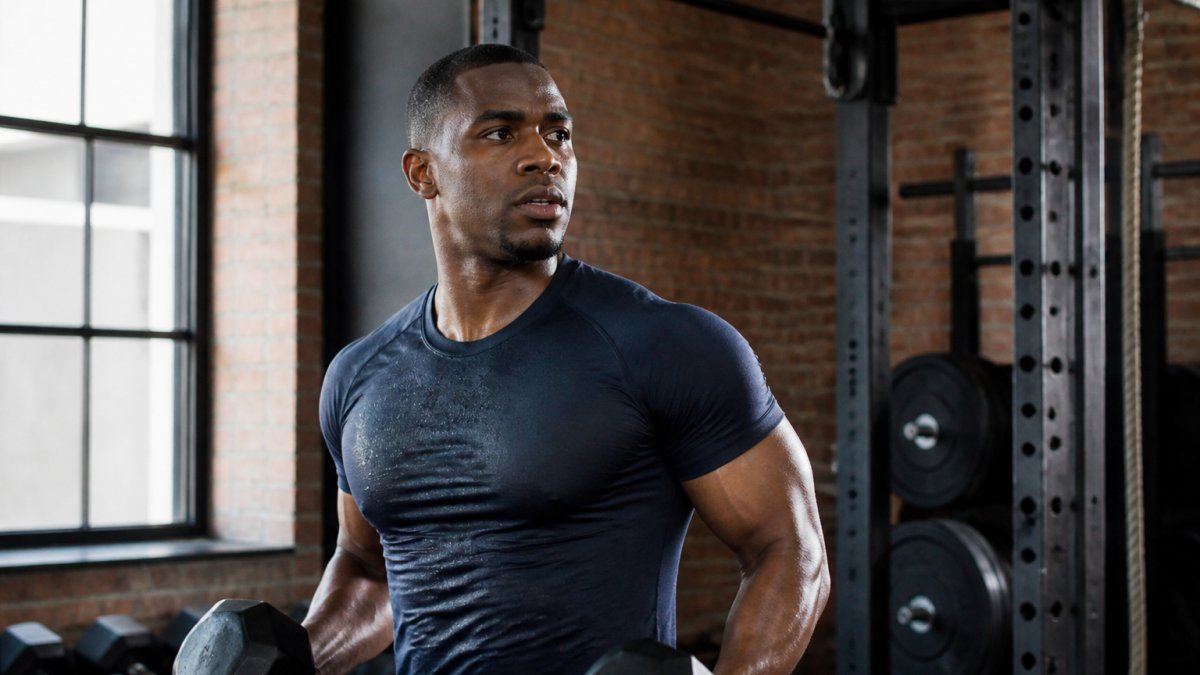
The construction details matter as much as the fabric itself. Flatlock seams, which overlap and stitch flat against the skin, resist tearing better than traditional seams. Four-way stretch fabrics that recover on both lengthwise and cross grains maintain their shape through hundreds of washes.
Best Material for Athletic Shirts: Recycled Polyester and Stretch Blends
The best material for athletic shirts combines recycled polyester with elastane in a ratio that prioritizes durability over cost. Recycled polyester (typically 75-88% of the blend) provides moisture-wicking capability and strength.
This blend is superior to cotton for athletic use because cotton absorbs sweat rather than wicking it away. The research on sports clothing and thermoregulation confirms that performance fabrics engineered for moisture management and temperature control outperform natural fibers in high-intensity training environments.
Mr. Shithead's athletic shirts use either 88% recycled polyester with 12% elastane or 75% recycled polyester with 25% elastane, depending on production region. Both blends are OEKO-TEX 100 certified, meaning they've been tested for harmful substances and meet strict environmental standards.
Fabric weight matters. Lighter fabrics (6.5 oz/yd²) dry faster and feel less restrictive. Heavier fabrics (7.5 oz/yd²) last longer and resist pilling. For durable athletic shirts for men that balance performance with longevity, aim for the middle range: 6.7-7.0 oz/yd².
Browse the full men's shirt collection to see how these material specifications translate into real products across different styles and designs.
Moisture-Wicking Shirts for Men: Sweat Management That Lasts
Moisture-wicking is the ability of a fabric to pull sweat away from your skin and move it to the outer surface where it evaporates. This keeps you dry during workouts and prevents the chafing and irritation that comes from sweat-soaked fabric clinging to your body.
The mechanism is simple: synthetic fibers like polyester have a lower absorbency than cotton. Instead of holding moisture, they channel it outward through capillary action. Brands like Gymshark describe this as DRY technology, while others call it sweat-resistant or fast-drying.
What most guides miss is that moisture-wicking performance degrades with each wash if you don't care for the shirt properly. Fabric softeners and dryer sheets coat the fibers and reduce their wicking ability.
Athletic shirts with four-way stretch fabric perform better at sweat management because the stretch allows the fabric to move with your body rather than bunching up. When fabric bunches, sweat pools instead of wicking.
Breathability and Temperature Control in Workout Shirts
Breathability is your shirt's ability to allow air circulation, which helps regulate body temperature during exercise. A breathable workout shirt prevents the buildup of heat and humidity that makes you feel suffocated during intense training.
Synthetic fabrics are naturally more breathable than cotton because they're lighter and allow air to pass through more easily. The fabric weight and weave density determine how breathable a shirt will be. Lighter fabrics breathe better but may not last as long.
Mr. Shithead Everyone's Been One Costa Rica Chaos Totem Men's Short Sleeve Sun →
The fit also affects breathability. A fitted cut keeps the fabric close to your body, which is ideal for moisture-wicking but can feel restrictive in very hot conditions. A relaxed fit allows more air circulation but may reduce moisture-wicking efficiency.
UPF protection is an added benefit for outdoor training. Mr. Shithead's athletic shirts include UPF 50+ protection, which blocks 98% of harmful UV rays. This matters if you're cycling, playing tennis, or golfing in direct sunlight.
Long-Lasting Gym Shirts: Care Tips and Durability Comparison
How long your gym shirt actually lasts depends on how you care for it. Cotton Incorporated's 2026 Durability Survey reports that athletic shirts have an expected lifespan of 4 to 4.5 years with proper care.
The biggest threat to durability is improper washing. Hot water weakens elastane fibers. Chlorine (from pools or tap water in some regions) degrades synthetic fabrics. Fabric softeners coat the fibers and reduce performance. Here's how to extend the life of long-lasting gym shirts:
- Rinse immediately after workouts, especially after swimming or cycling in salt spray
- Wash in cold water with mild detergent
- Avoid fabric softeners and dryer sheets
- Air-dry when possible; if using a dryer, use low heat
- Don't bleach or use harsh chemicals
- Turn shirts inside out before washing to reduce fading and pilling
Watch out: chlorine and salt residue cause permanent damage if left on the fabric. If you swim or ride near the ocean, rinse your shirt within an hour of activity. This single step can add years to the shirt's lifespan.
The durability comparison between cheap athletic shirts and premium ones often comes down to fabric weight and seam quality. A shirt with 5.0 oz/yd² fabric will pill and thin out after 50 washes. A shirt with 7.0 oz/yd² fabric will maintain its structure through 200+ washes. Flatlock seams resist fraying; traditional seams start separating after 100 washes.
| Care Step | Frequency | Impact on Lifespan |
|---|---|---|
| Rinse after workouts | Every use | Prevents permanent damage from sweat/salt/chlorine |
| Cold water wash | Every wash | Protects elastane fibers |
| Air dry | When possible | Reduces heat damage |
| Avoid fabric softener | Every wash | Maintains moisture-wicking performance |
| Turn inside out | Every wash | Reduces fading and pilling |
Finding Your Fit: Short-Sleeve vs Long-Sleeve Options
The choice between short-sleeve and long-sleeve athletic shirts depends on your training environment and personal preference. Short-sleeve shirts offer maximum freedom of movement and cooling for high-intensity gym work. Long-sleeve shirts provide sun protection and are better for outdoor activities like cycling and tennis.
Short-sleeve athletic shirts are fitted close to the body, which maximizes moisture-wicking efficiency. They're ideal for strength training, CrossFit, and indoor workouts where you need full range of motion in your shoulders.
Long-sleeve athletic shirts are designed with a slightly longer body and sleeves for extra coverage and protection. They're better for outdoor training because they reduce sun exposure.
View a specific short-sleeve athletic shirt product that exemplifies durability through its recycled polyester construction and flatlock seam design. You can also compare with a long-sleeve option to see how sleeve length affects fit and coverage. Explore the men's bicycle apparel collection to see how these materials and construction methods translate across different sports and use cases.


The key difference isn't just sleeve length, it's the overall design philosophy. Short-sleeve shirts prioritize performance and mobility. Long-sleeve shirts balance performance with protection. Both can be equally durable if they're made with quality materials and proper construction.
Frequently Asked Questions
What is the best material for durable athletic shirts for men?
Recycled polyester blended with elastane or spandex offers the best durability for athletic shirts. This fabric combination resists pilling, maintains shape through repeated wear, and wicks moisture effectively. Research from the University of Leeds found that price does not correlate with durability; six of the ten best-performing T-shirts cost less than £15, meaning material quality matters more than brand cost.
How long should a quality durable athletic shirt last?
According to Cotton Incorporated's 2026 Durability Survey, athletic shirts are expected to last 4 to 4.5 years with proper care. To extend lifespan, rinse your shirt after each use to remove chlorine or salt residue, wash in cold water, and air dry when possible. Flat seams and coverstitch construction prevent unraveling and add years to the garment's life.
Are polyester or nylon shirts more durable for workouts?
Polyester blended with elastane is more durable than nylon for athletic shirts. Polyester resists abrasion, maintains elasticity through repeated stretching, and dries faster, reducing odor-causing bacteria growth. Recycled polyester offers the same durability as virgin polyester while reducing environmental impact. Four-way stretch fabric that recovers on both cross and lengthwise grains provides superior durability during high-intensity training.
What features make a workout shirt built to last?
Look for shirts with flatlock seams or coverstitch construction, which prevent seam failure during intense movement. UPF 50+ protection indicates quality fabric that resists UV degradation. Certification marks like OEKO-TEX 100 and Global Recycled Standard (GRS) confirm the fabric meets strict durability and safety standards. A fitted cut with four-way stretch provides freedom of movement without overstretching the fabric.
Choosing durable athletic shirts for men means looking past the brand name and focusing on what actually matters: fabric composition, seam construction, and care practices. Mr. Shithead builds every shirt with recycled polyester blends, flatlock seams, and proper fabric weight because we know our customers value gear that performs and lasts. Start with the right material, maintain it properly, and your athletic shirts will outlast the hype and the season.
